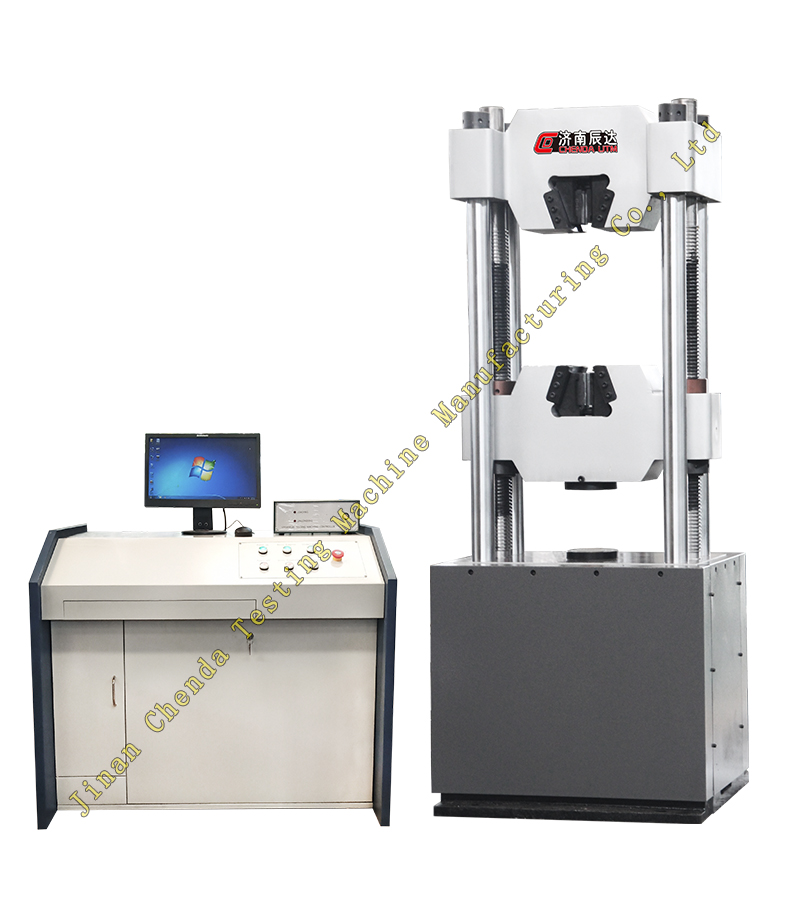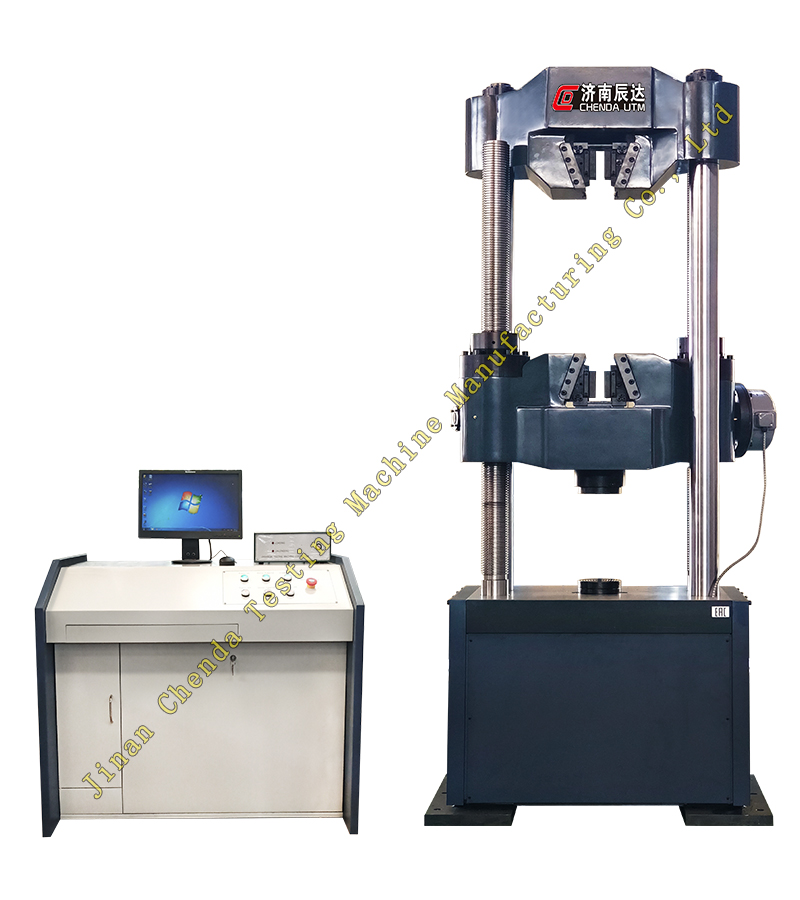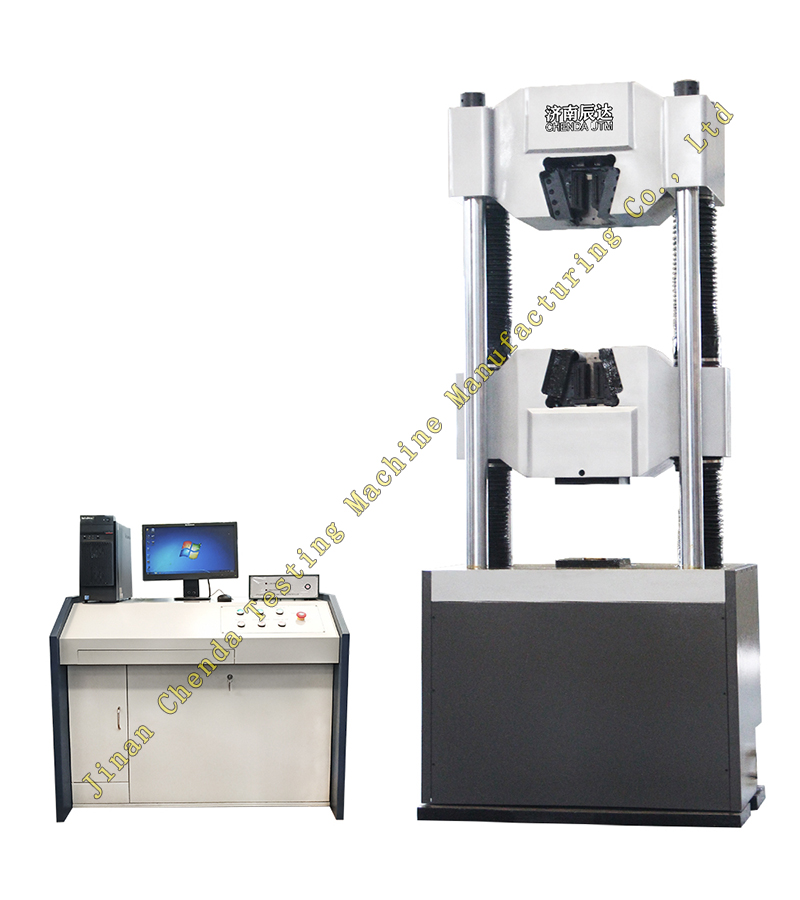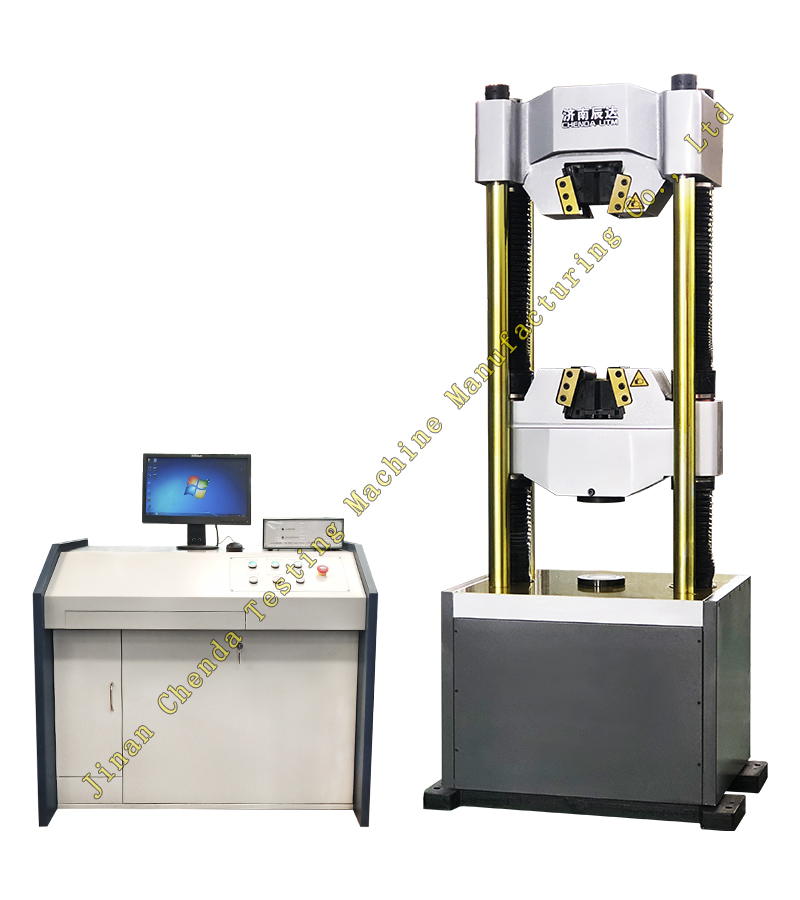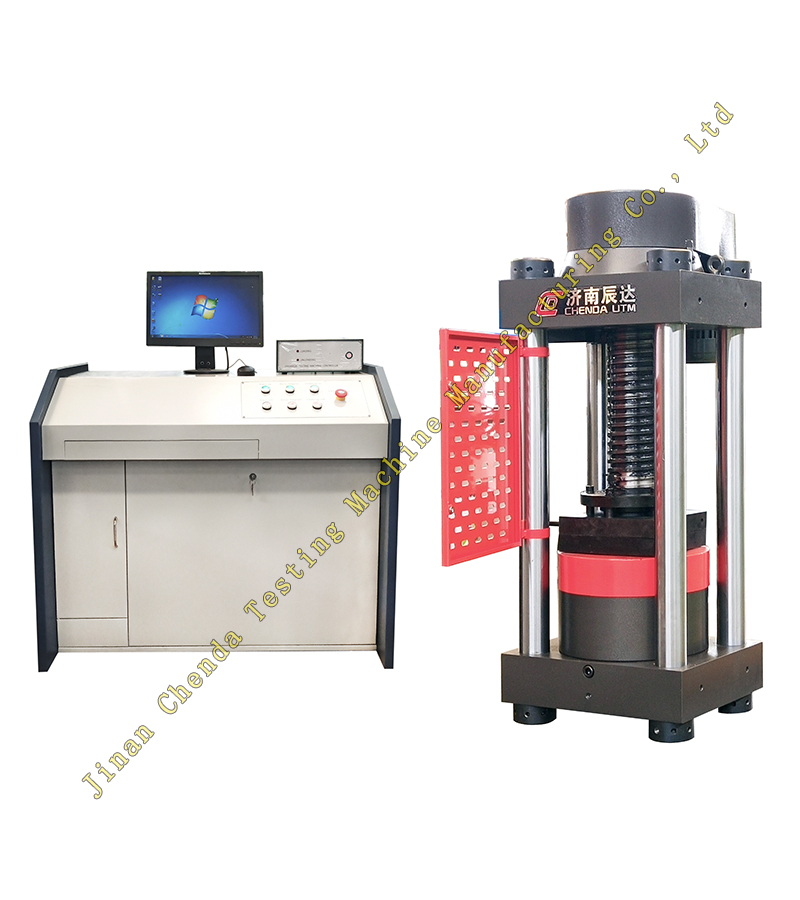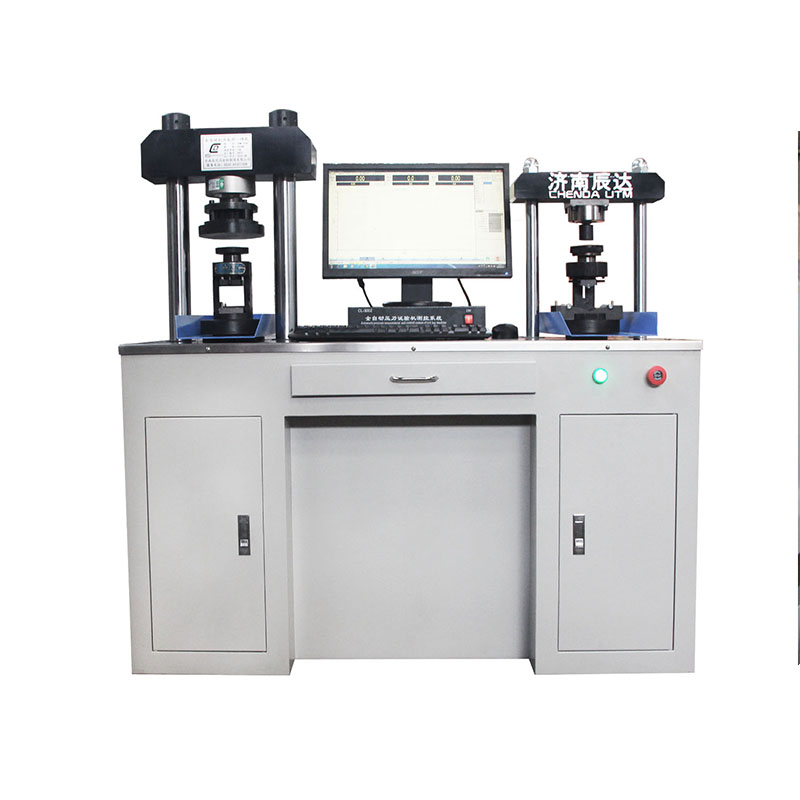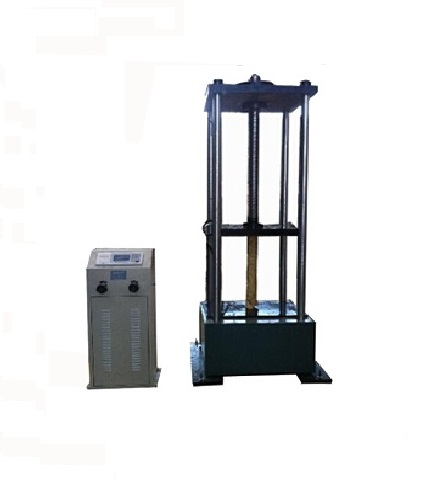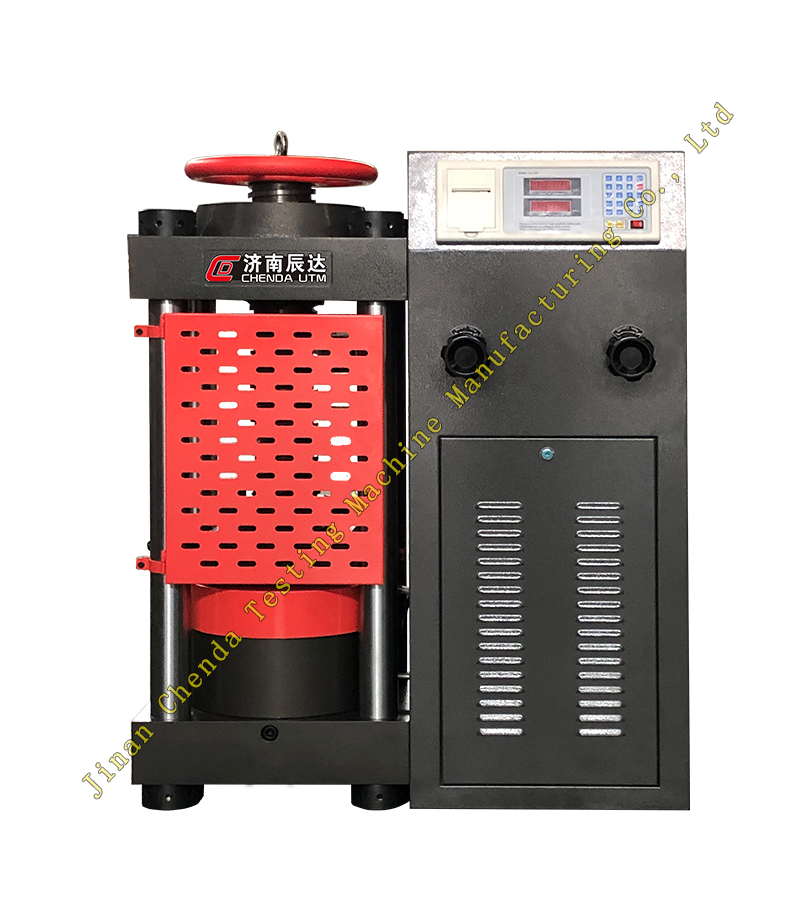
Application of universal testing machine in the wood industry
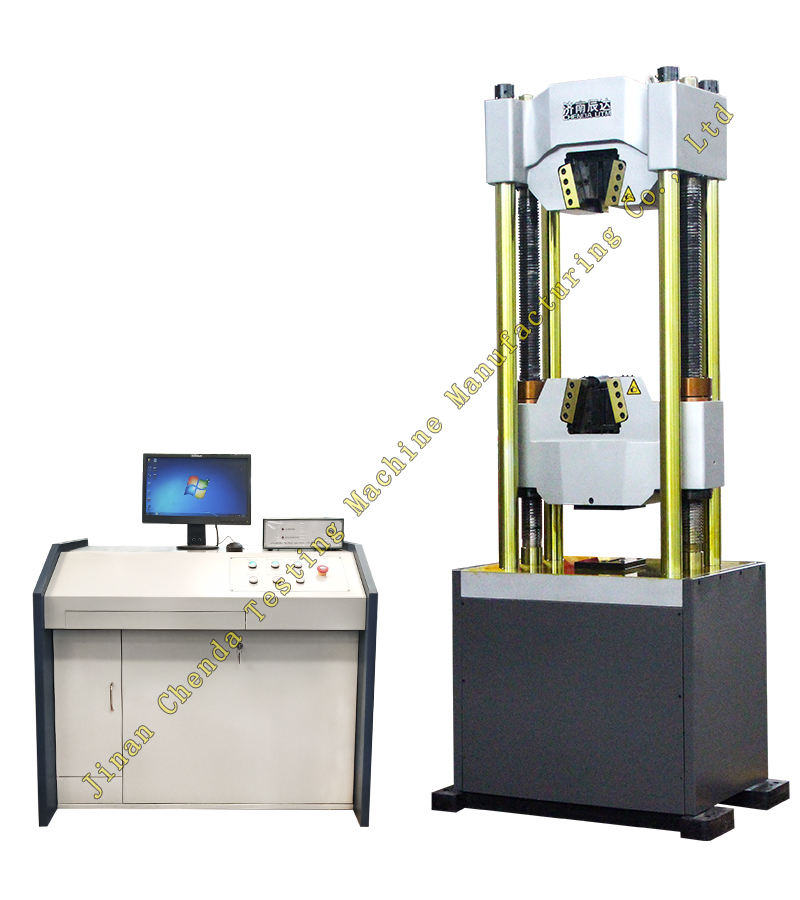
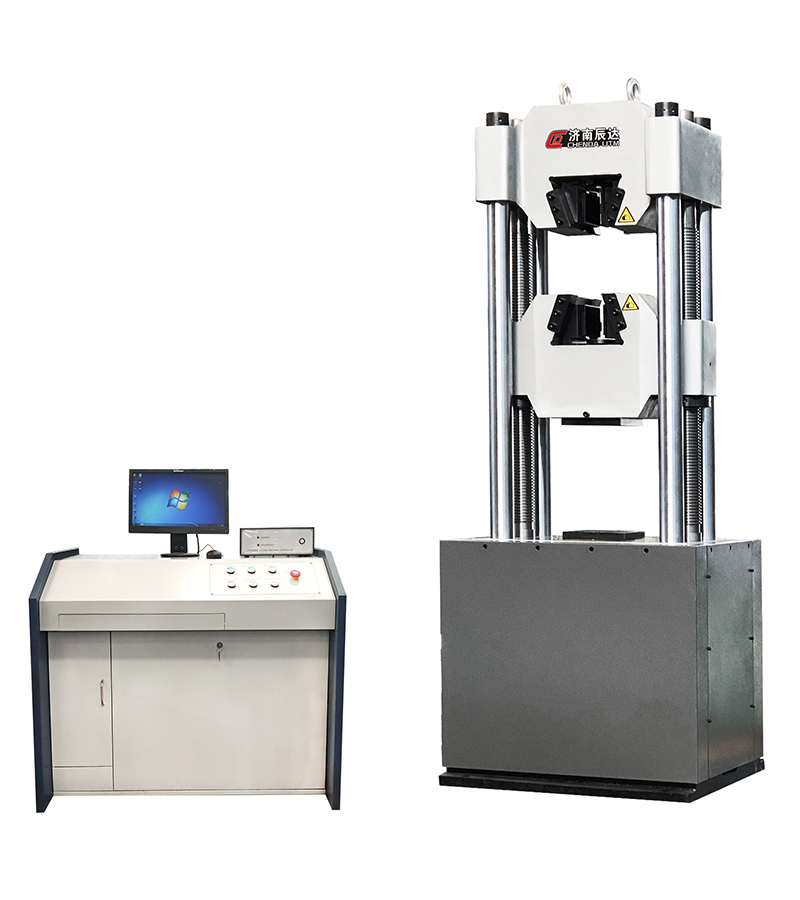
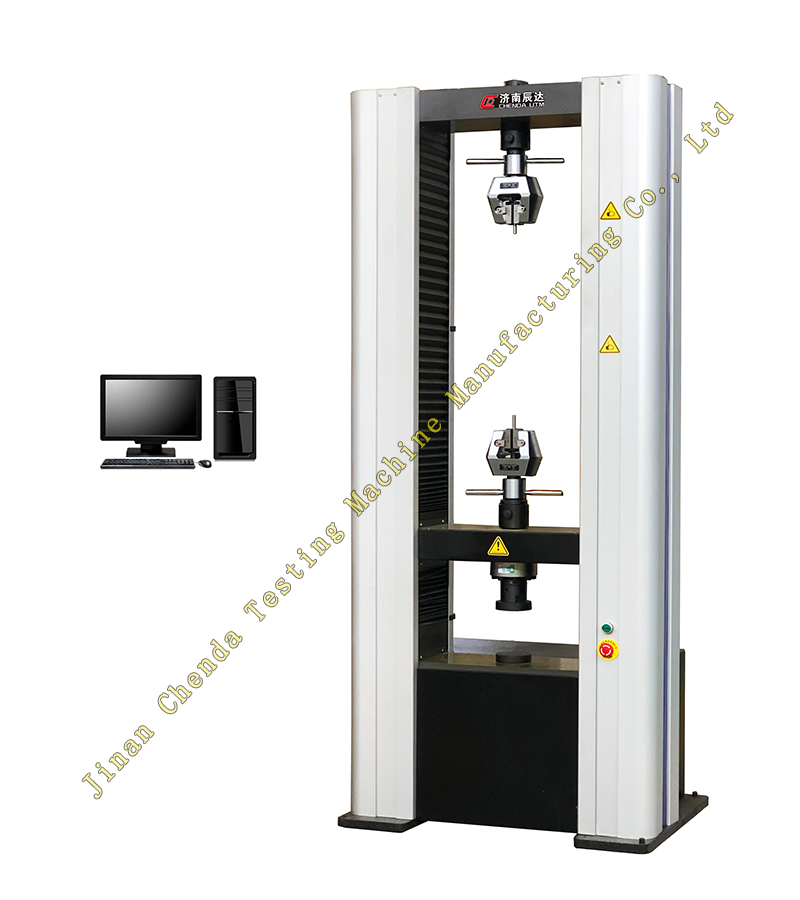
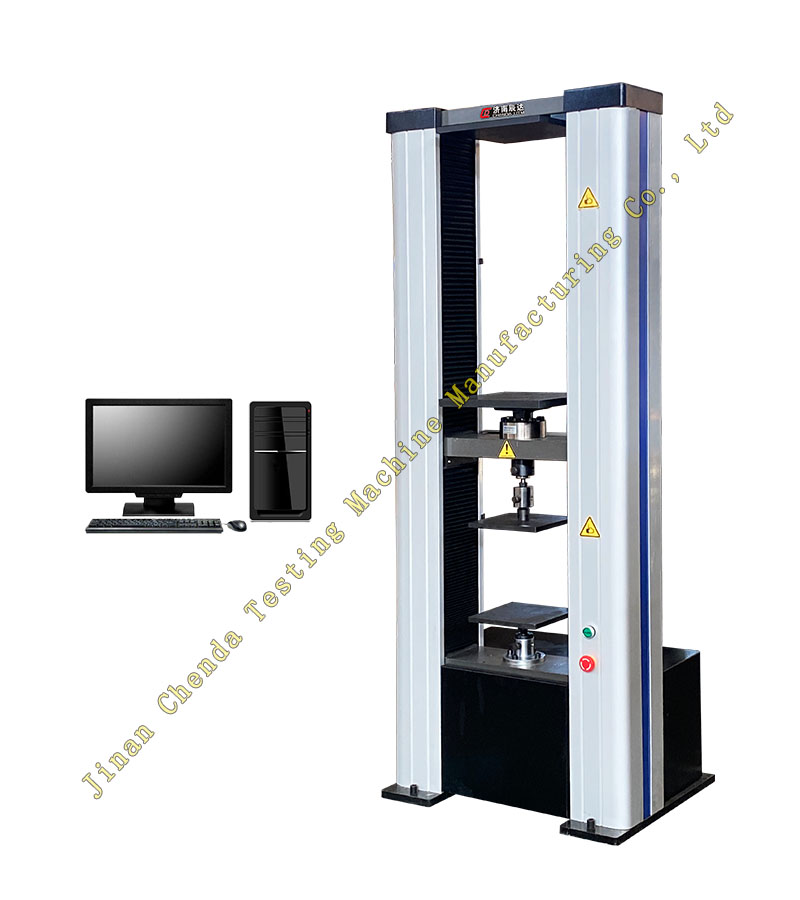
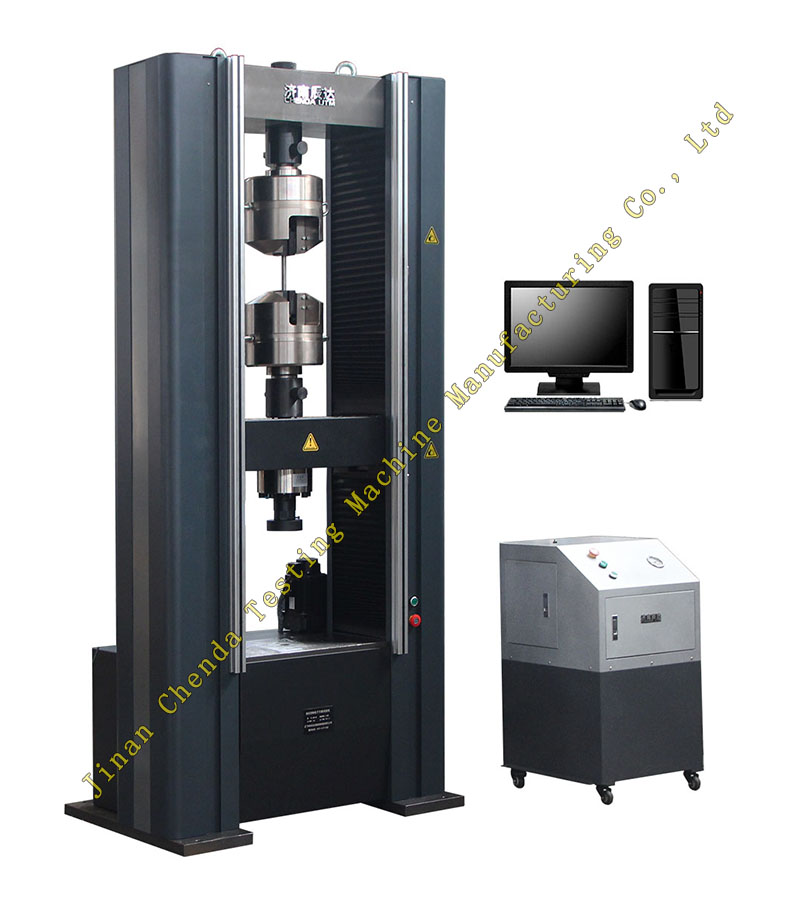
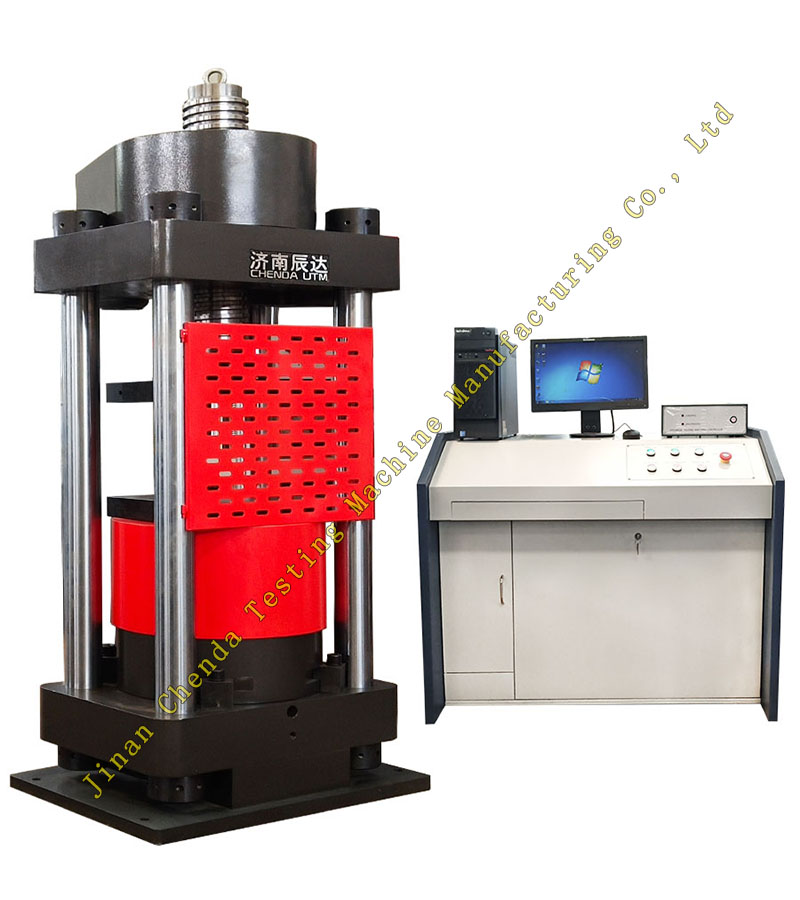
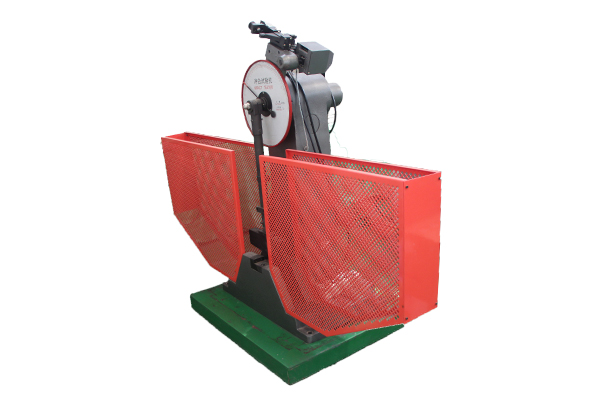
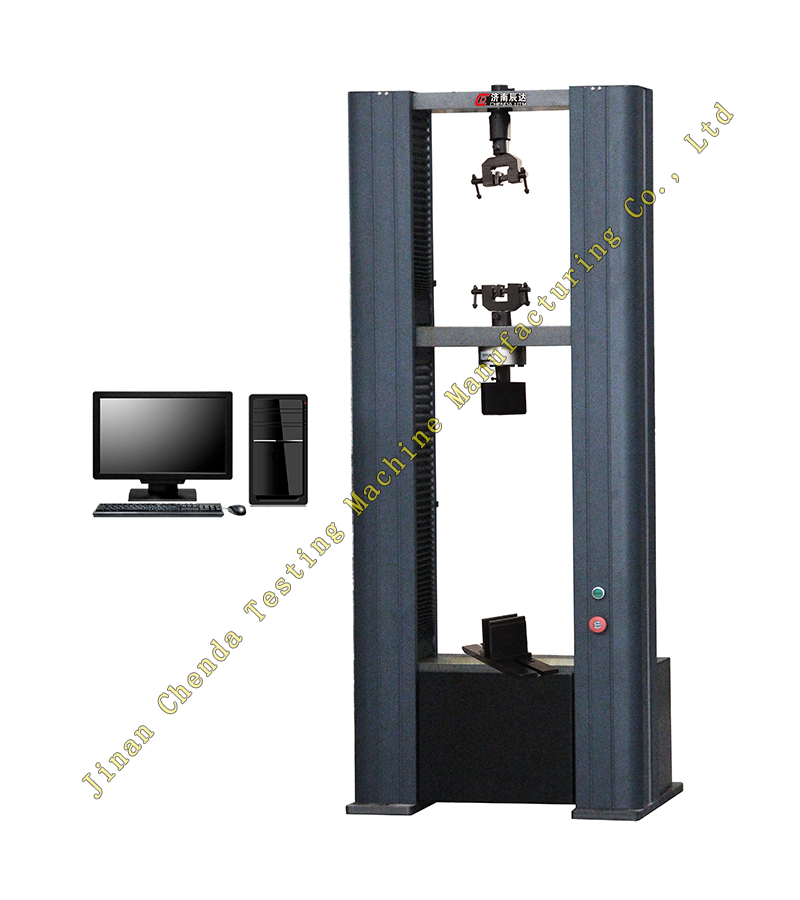
As the core equipment for testing the mechanical properties of materials, the universal testing machine plays a crucial role in quality control, research and development optimization, and standard compliance in the wood industry. Its application spans the entire process of wood, from raw material screening to finished product acceptance.
In the raw material quality inspection process, the universal testing machine can accurately test core indicators such as tensile strength, compressive strength, bending strength, and elastic modulus of wood. Due to natural texture differences and batch stability issues in wood, sampling tests on logs and boards can screen out raw materials with satisfactory mechanical properties, avoiding potential safety hazards such as fracture and deformation in finished products like furniture and building structures caused by material defects. This is especially applicable to scenarios where high strength is required, such as construction square timber and decorative boards.
In terms of performance verification of wood products, the universal testing machine can conduct targeted tests on finished products. For example, in the furniture industry, static bending strength and durability tests are conducted on table and chair frames and wardrobe boards to ensure that the products do not deform under rated load for long-term use; in the construction industry, shear strength and bond strength tests are conducted on wood structural components and wood composite boards to verify their assembly stability and anti-aging ability, thus ensuring the safety and reliability of wood structure buildings.
In the optimization of wood processing technology, the data support provided by universal testing machines is significant. By testing the mechanical properties of wood after different drying processes, anti-corrosion treatments, and modification treatments, the impact of process parameters on wood strength can be comparatively analyzed. For example, the optimal drying temperature and time can be determined to avoid excessive drying that leads to increased wood brittleness, or insufficient drying that causes mold growth and deformation issues. This helps enterprises optimize production processes and improve product quality.
In addition, the universal testing machine also ensures compliance with standards in the wood industry. The production of wood and wood-based products must comply with national or international standards such as GB/T 1936.1-2009 (wood bending strength test) and GB/T 1931-2009 (wood moisture content determination). The precise test data from the universal testing machine can serve as the core basis for product qualification certification, ensuring that products meet market access requirements and enhancing the market competitiveness of enterprises.
In summary, the universal testing machine, with its multi-performance testing capabilities, has become an important support for quality control and technological upgrading in the wood industry, providing scientific guarantees for the standardized development of the industry and product safety.